Lockport Foot Care, PLLC Harry I. Zirna, DPM
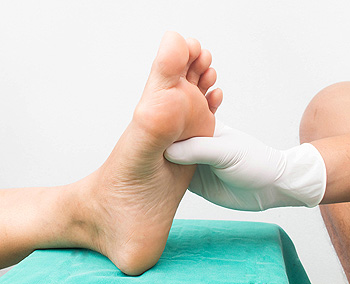
Numb feet, characterized by diminished sensation, often arises from simple factors like nerve compression due to awkward sitting or tight shoes. However, persistent numbness, or neuropathy, can signal serious underlying health concerns. Numbness in the feet typically accompanies sensations such as pain, burning, or tingling, collectively known as paraesthesia. If left untreated, the numbness may progress to weakness and reduced foot control. The causes can be broadly categorized into nerve damage and diminished blood supply. Nerve damage disrupts communication between sensory nerves and the brain, leading to numbness. This breakdown prevents the interpretation of pressure and temperature stimuli. Pins and needles sensations arise when signals are erratic. Causes of nerve damage include temporary nerve compression, where prolonged awkward sitting or tight shoes reduce oxygen and nutrient flow to nerves, resulting in temporary numbness and subsequent pins and needles upon movement. Peripheral neuropathy involves damaged peripheral nerves unable to transmit signals to the central nervous system. It can lead to persistent numbness and is associated with conditions such as diabetes, systemic diseases, and alcoholism. If you experience numbness in the feet frequently, or for long periods, it is suggested that you schedule an appointment with a podiatrist for a full examination and treatment options.
Neuropathy
Neuropathy can be a potentially serious condition, especially if it is left undiagnosed. If you have any concerns that you may be experiencing nerve loss in your feet, consult with Dr. Harry I. Zirna from Lockport Foot Care, PLLC. Dr. Zirna will assess your condition and provide you with quality foot and ankle treatment for neuropathy.
What Is Neuropathy?
Neuropathy is a condition that leads to damage to the nerves in the body. Peripheral neuropathy, or neuropathy that affects your peripheral nervous system, usually occurs in the feet. Neuropathy can be triggered by a number of different causes. Such causes include diabetes, infections, cancers, disorders, and toxic substances.
Symptoms of Neuropathy Include:
Those with diabetes are at serious risk due to being unable to feel an ulcer on their feet. Diabetics usually also suffer from poor blood circulation. This can lead to the wound not healing, infections occurring, and the limb may have to be amputated.
Treatment
To treat neuropathy in the foot, podiatrists will first diagnose the cause of the neuropathy. Figuring out the underlying cause of the neuropathy will allow the podiatrist to prescribe the best treatment, whether it be caused by diabetes, toxic substance exposure, infection, etc. If the nerve has not died, then it’s possible that sensation may be able to return to the foot.
Pain medication may be issued for pain. Electrical nerve stimulation can be used to stimulate nerves. If the neuropathy is caused from pressure on the nerves, then surgery may be necessary.
If you have any questions, please feel free to contact our offices located in Lockport, NY . We offer the newest diagnostic and treatment technologies for all your foot care needs.
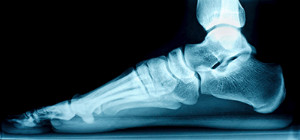
Adult flat feet, a condition where the arches of the feet collapse, can be attributed to a multitude of factors, each contributing to the intricate landscape of this common ailment. One primary cause is weakened or overstretched tendons, often stemming from prolonged wear and tear or injury. Age-related changes to tendons and ligaments can also impact foot structure, leading to the development of flat feet. Genetic predispositions often play a role, as individuals with a family history of flat feet may be more susceptible. Certain medical conditions, such as arthritis, diabetes, or obesity, contribute to altered foot mechanics and increased stress on the arches. Pregnancy is another factor, with hormonal changes and increased weight-bearing influencing foot structure. Wearing unsupportive footwear, especially during critical developmental stages, can contribute to the prevalence of adult flat feet. If you have flat feet, it is suggested that you visit a podiatrist who can offer you relief techniques, which may include custom-made orthotics.
Flatfoot is a condition many people suffer from. If you have flat feet, contact Dr. Harry I. Zirna from Lockport Foot Care, PLLC. Dr. Zirna will treat your foot and ankle needs.
What Are Flat Feet?
Flatfoot is a condition in which the arch of the foot is depressed and the sole of the foot is almost completely in contact with the ground. About 20-30% of the population generally has flat feet because their arches never formed during growth.
Conditions & Problems:
Having flat feet makes it difficult to run or walk because of the stress placed on the ankles.
Alignment – The general alignment of your legs can be disrupted, because the ankles move inward which can cause major discomfort.
Knees – If you have complications with your knees, flat feet can be a contributor to arthritis in that area.
Symptoms
Treatment
If you are experiencing pain and stress on the foot you may weaken the posterior tibial tendon, which runs around the inside of the ankle.
If you have any questions please feel free to contact our offices located in Lockport, NY . We offer the newest diagnostic and treatment technologies for all your foot and ankle needs.
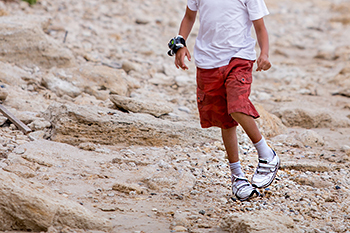
Congenital foot deformities, occurring at birth, present a spectrum of conditions that impact the structure and function of the feet. One notable congenital deformity is clubfoot, a condition where the foot is twisted inward and downward. This malformation results from a combination of genetic and environmental factors influencing the development of tendons, muscles, and bones in the foot during pregnancy. In clubfoot, the Achilles tendon is often shorter than usual, exacerbating the inward rotation of the foot. While the exact cause remains elusive, early identification and intervention are pivotal. Advances in medical understanding and technology continue to enhance treatment outcomes, providing hope for those born with congenital foot deformities. Those born with clubfoot can lead active and fulfilling lives with proper care and intervention. If your child has been born with clubfoot, it is strongly suggested that you consult a podiatrist who can immediately begin appropriate treatment.
Congenital foot problems require immediate attention to avoid future complications. If you have any concerns, contact Dr. Harry I. Zirna of Lockport Foot Care, PLLC. Dr. Zirna can provide the care you need to keep you pain-free and on your feet.
Congenital foot problems are deformities affecting the feet, toes, and/or ankles that children are born with. Some of these conditions have a genetic cause while others just happen. Some specific foot ailments that children may be born with include clubfeet, polydactyly/macrodactyly, and cleft foot. There are several other foot anomalies that can occur congenitally. What all of these conditions have in common is that a child may experience difficulty walking or performing everyday activities, as well as trouble finding footwear that fits their foot deformity. Some of these conditions are more serious than others. Consulting with a podiatrist as early as possible will help in properly diagnosing a child’s foot condition while getting the necessary treatment underway.
What are Causes of Congenital Foot Problem?
A congenital foot problem is one that happens to a child at birth. These conditions can be caused by a genetic predisposition, developmental or positional abnormalities during gestation, or with no known cause.
What are Symptoms of Congenital Foot Problems?
Symptoms vary by the congenital condition. Symptoms may consist of the following:
Treatment and Prevention
While there is nothing one can do to prevent congenital foot problems, raising awareness and receiving neonatal screenings are important. Early detection by taking your child to a podiatrist leads to the best outcome possible.
If you have any questions please feel free to contact our offices located in Lockport, NY . We offer the newest diagnostic tools and technology to treat your foot and ankle needs.
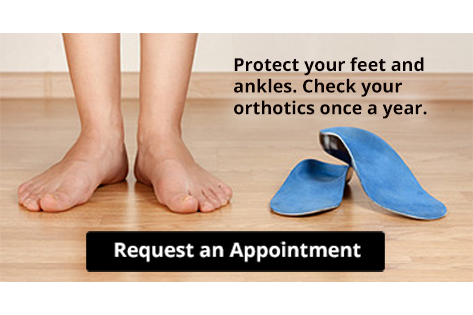
Custom orthotics, or shoe inserts, should be periodically replaced. Orthotics must fit properly to give you the best results. Protect your feet and ankles!